
Background and Credits
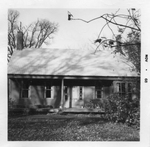
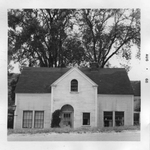
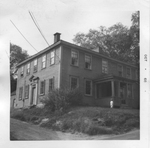
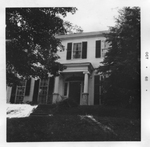
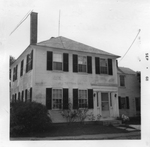
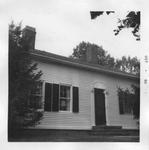
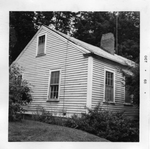
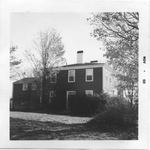
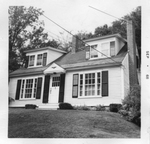
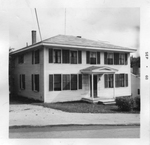
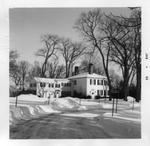
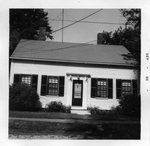
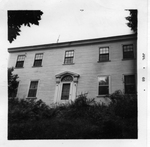
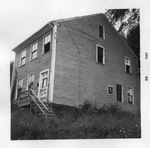
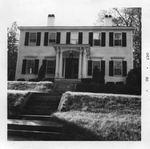
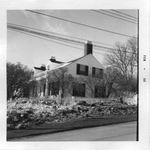
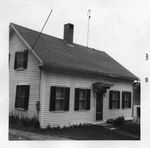
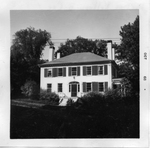
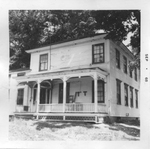
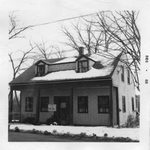
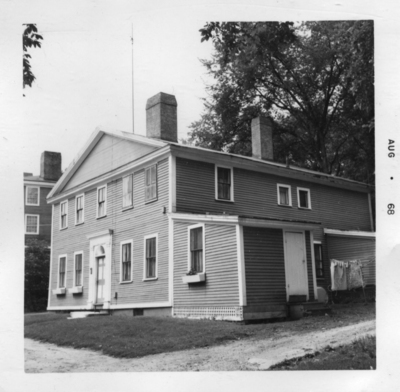
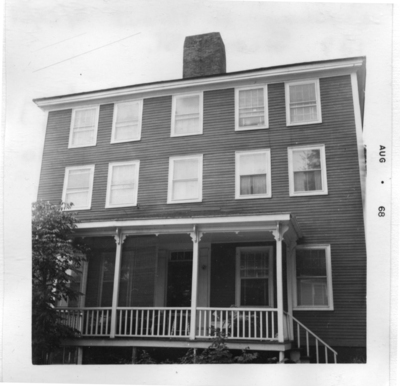
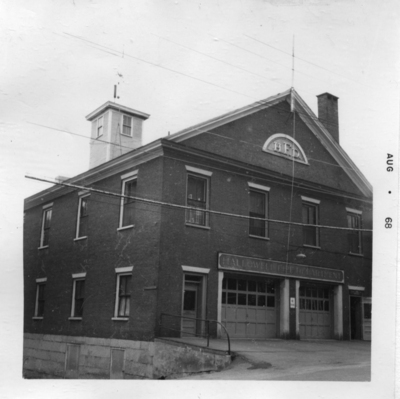
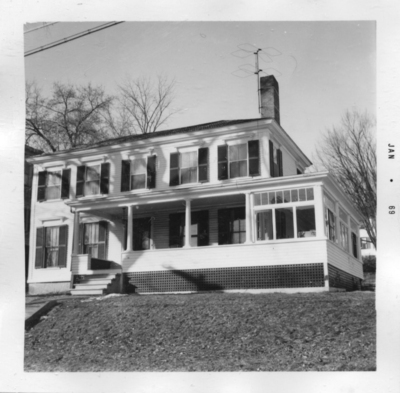
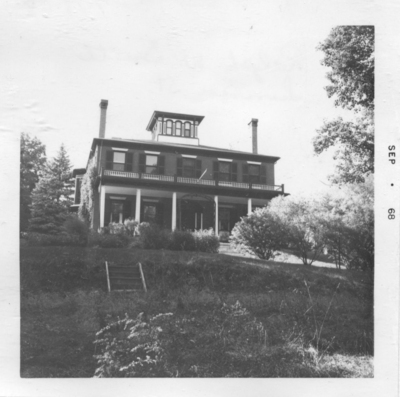
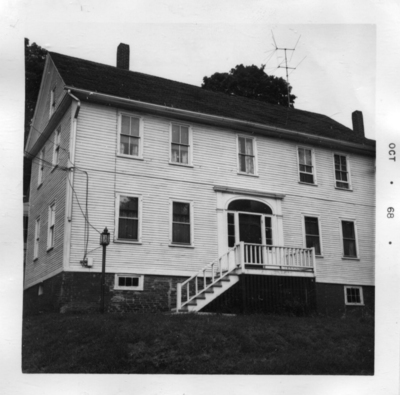
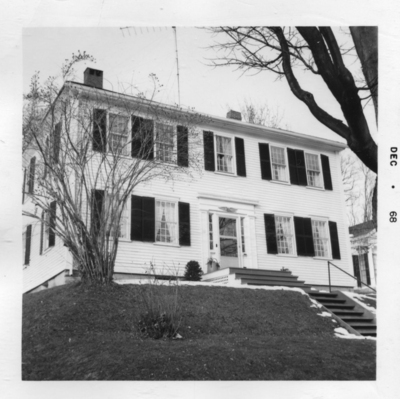
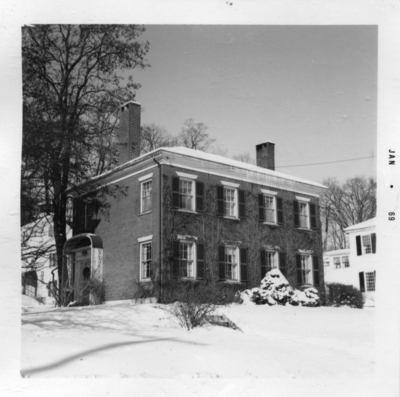
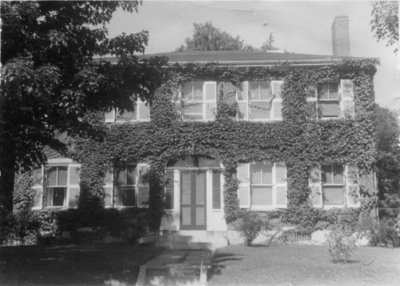
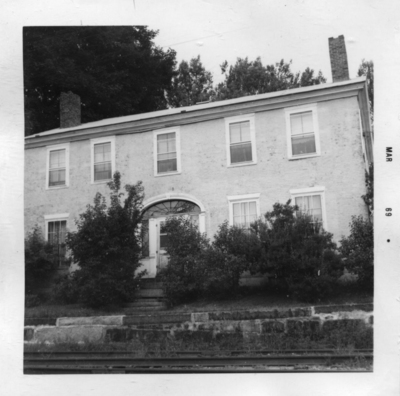
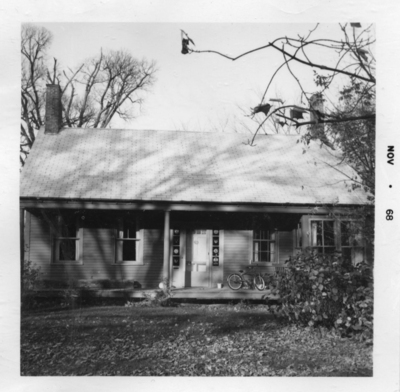
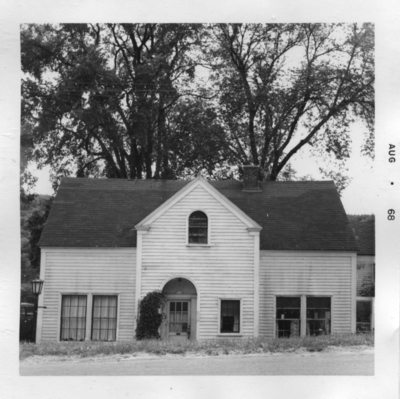
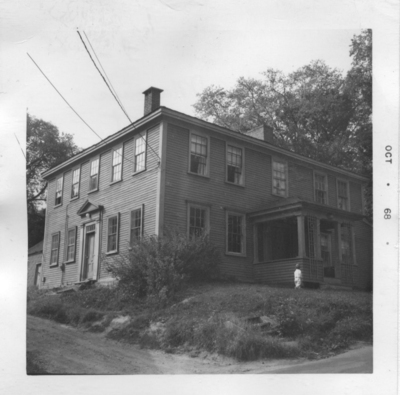
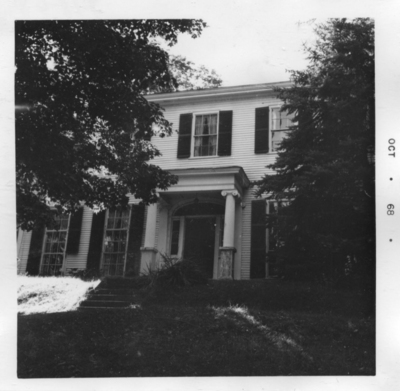
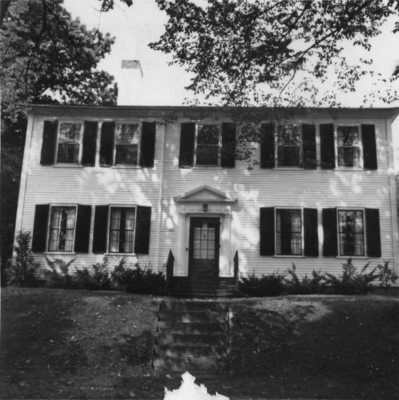
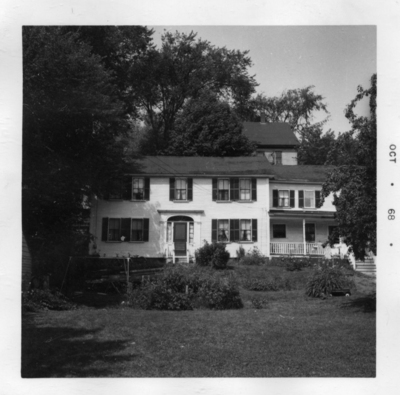
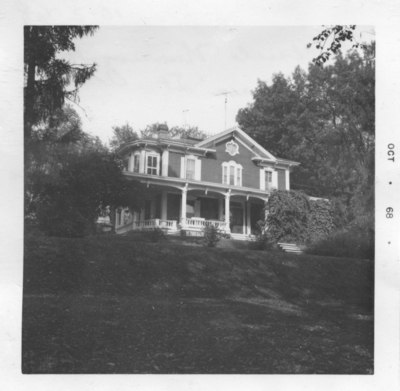
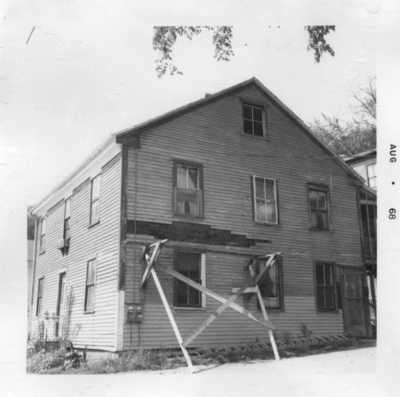
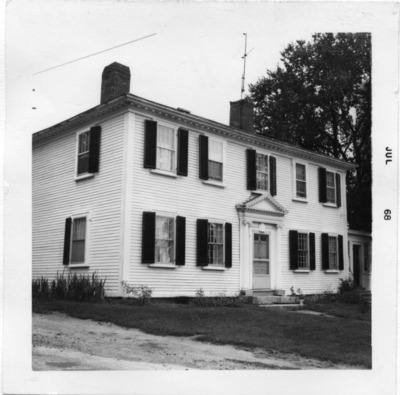
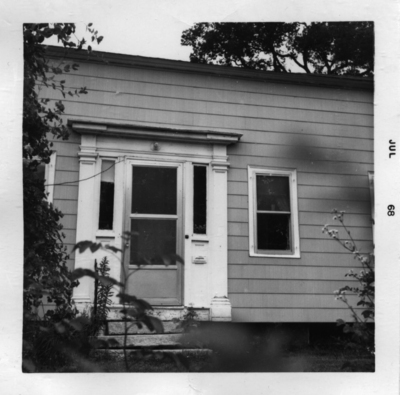
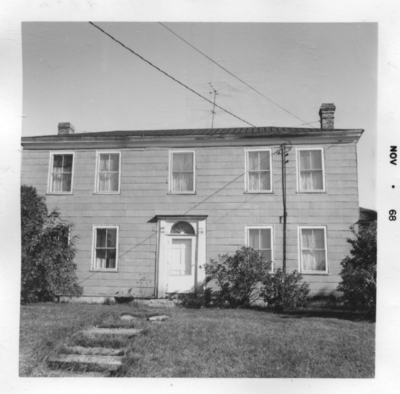
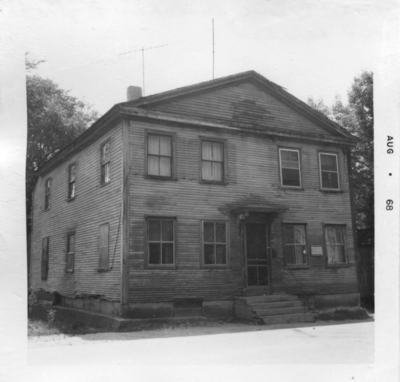
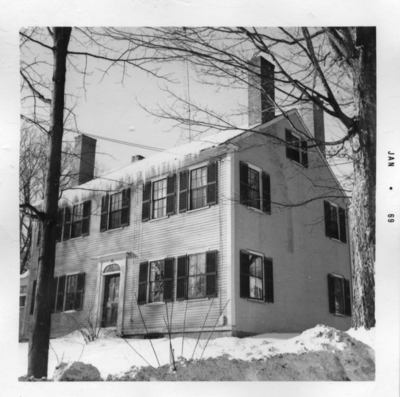
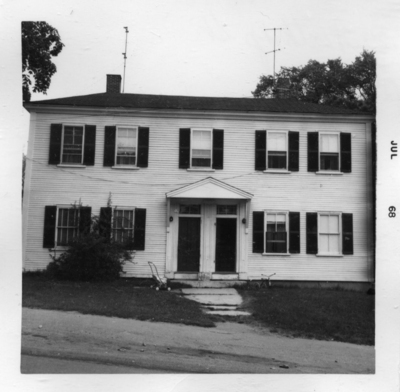
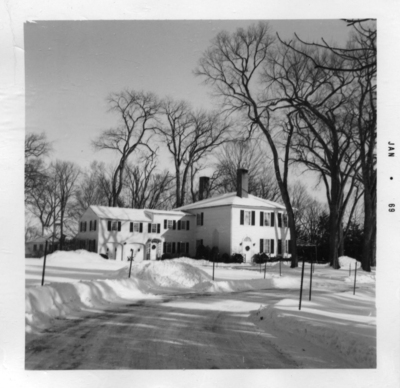
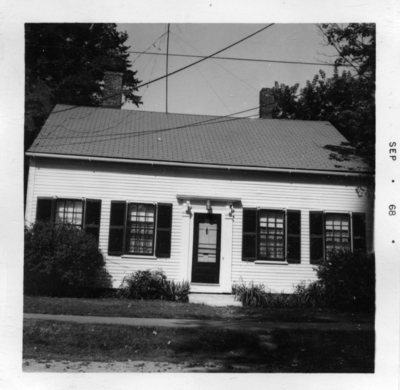
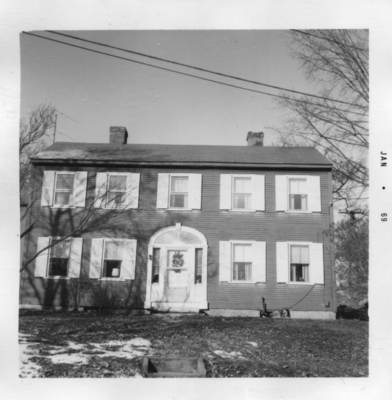
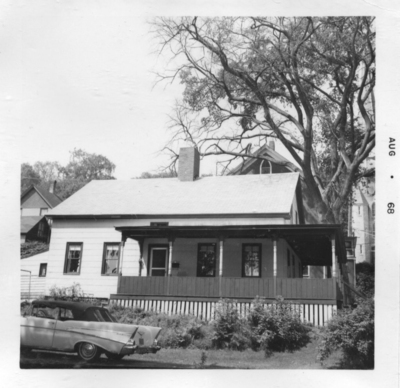
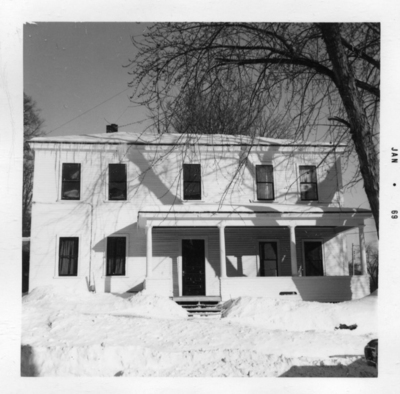
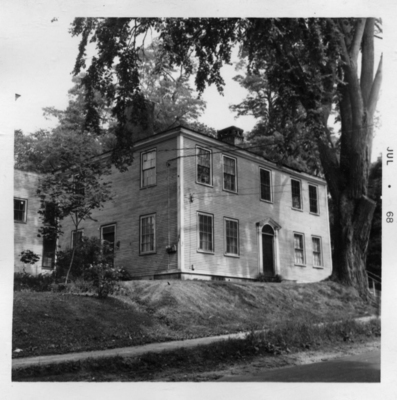
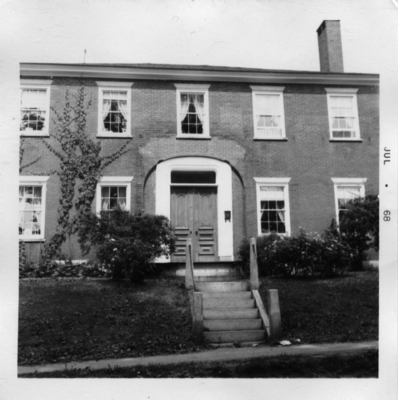
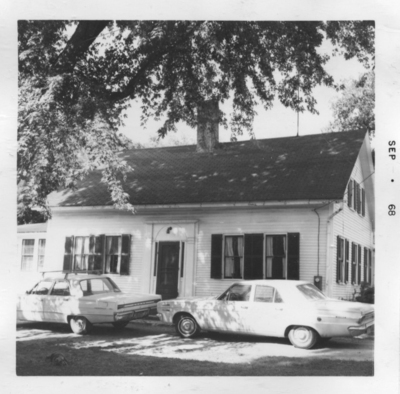
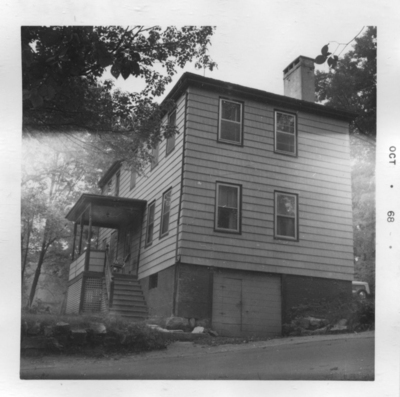
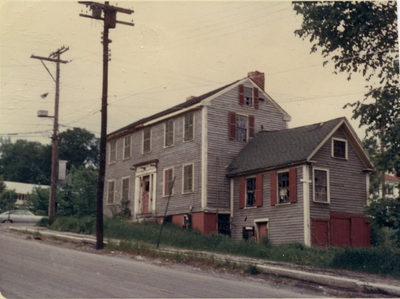
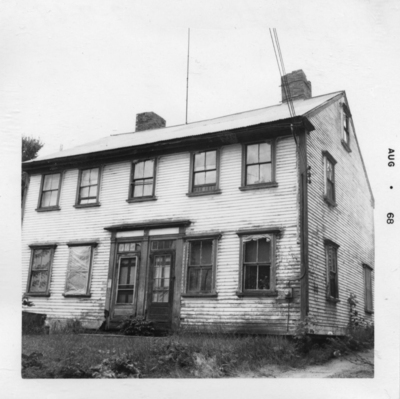
The Hallowell architectural survey originated in 1968 as a community-driven effort to document and preserve the city’s historic built environment. Once a thriving Kennebec River port known for shipbuilding, granite quarrying, printing, and commerce, Hallowell developed a rich architectural landscape reflecting its nineteenth-century prosperity. By the mid-twentieth century, increasing awareness of local heritage — including interest generated by urban renewal planning — prompted members of Hallowell Associates for the Arts to sponsor a comprehensive architectural study.
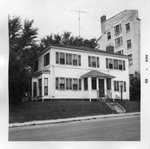
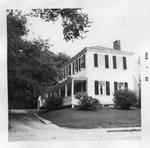
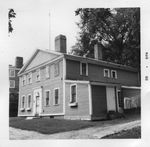
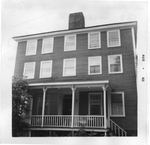
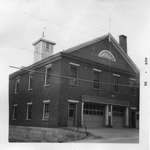
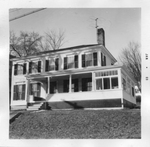
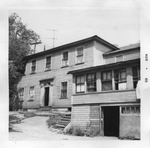
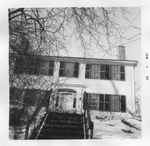
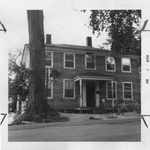
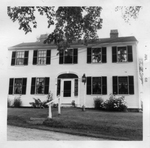
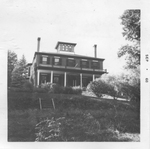
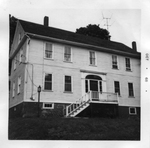
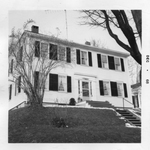
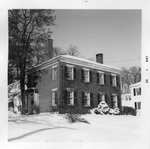
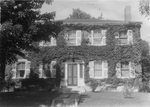
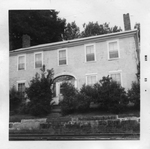
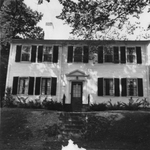
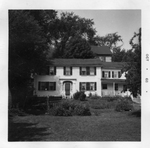
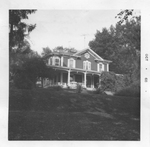
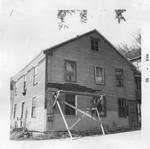
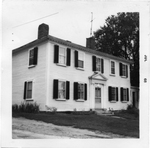
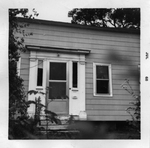
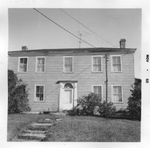
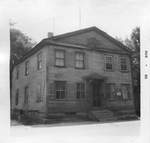
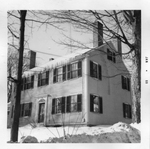
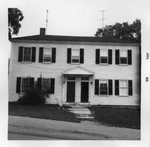
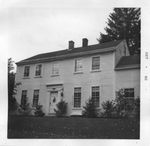
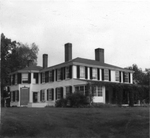
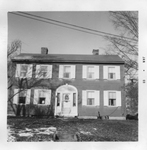
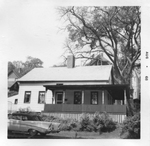
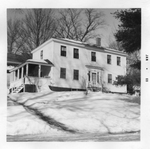
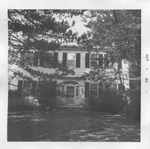
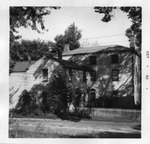
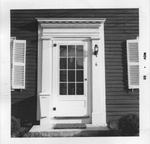
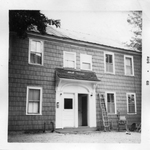
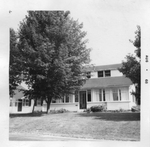
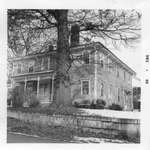
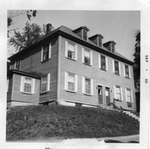
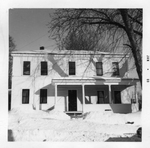
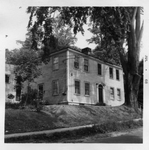
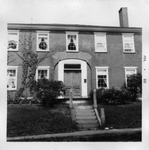
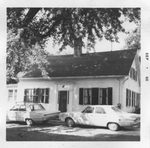
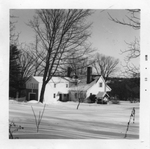
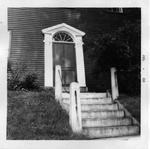
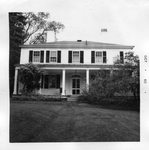
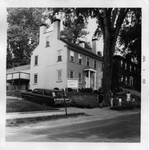
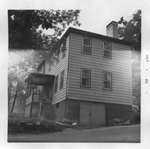
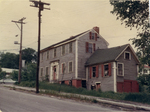
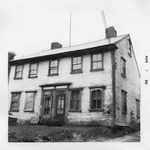
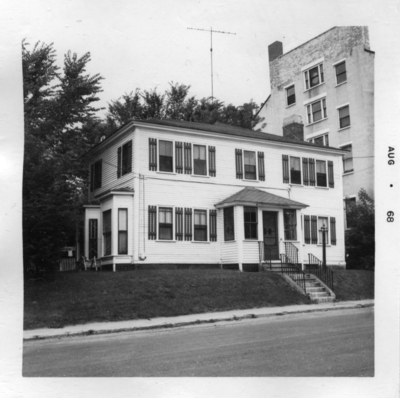
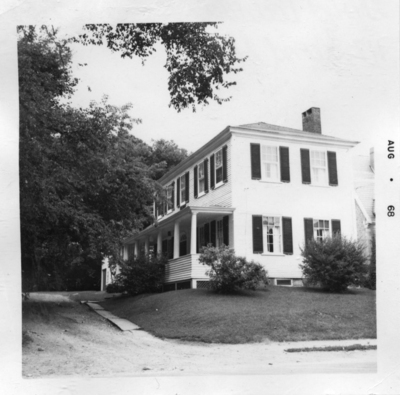
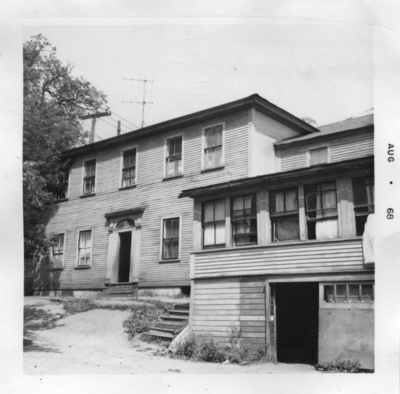
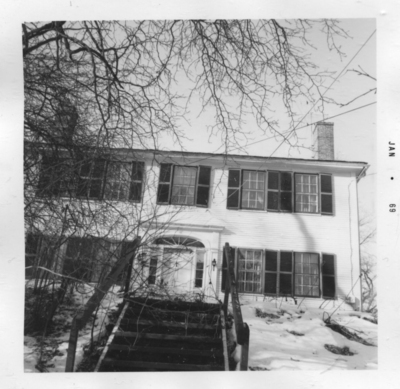
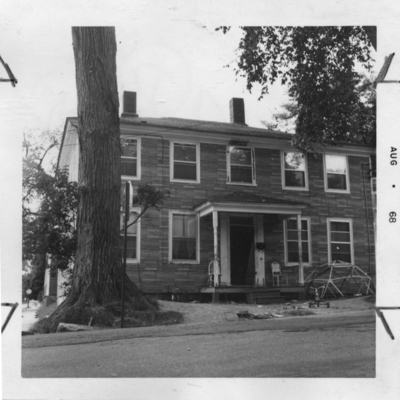
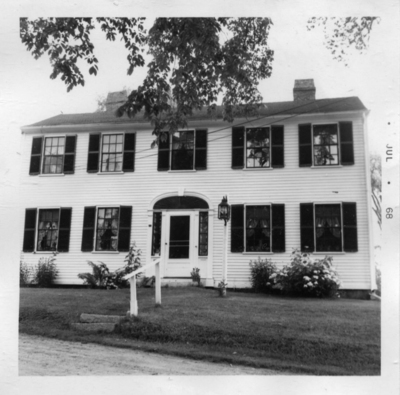
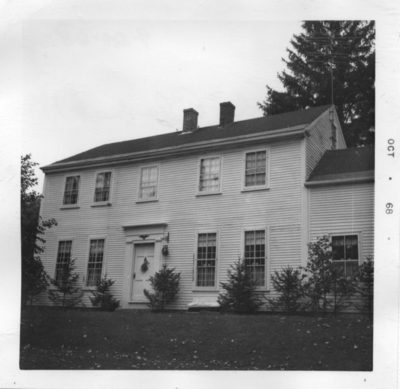
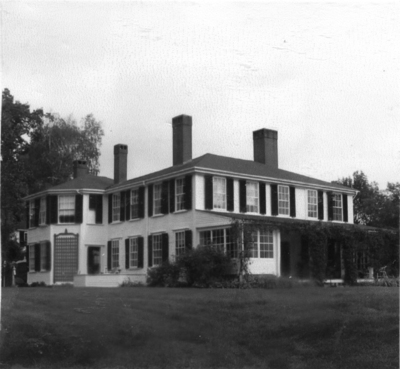
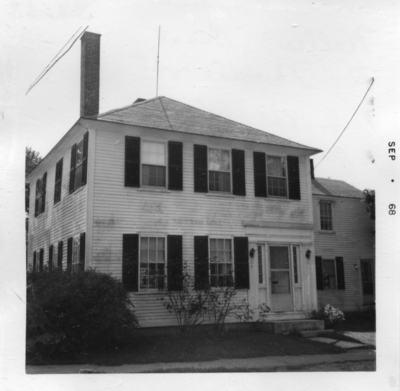
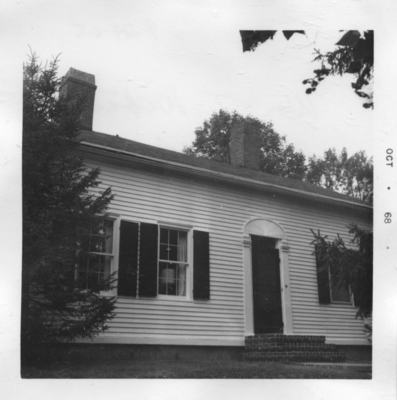
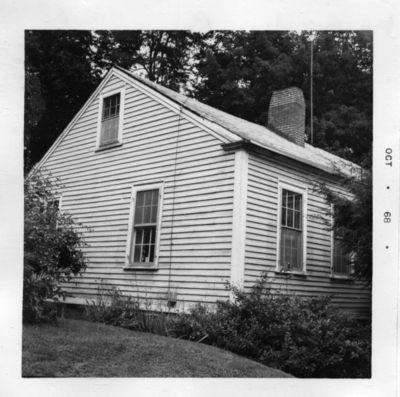
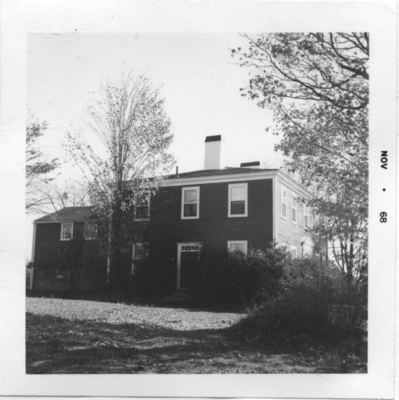
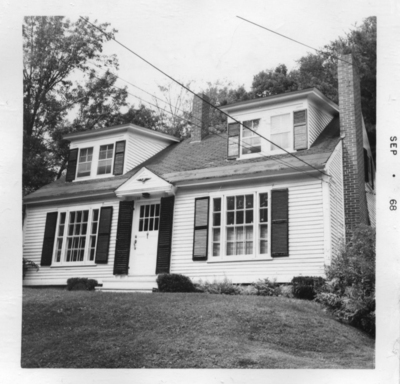
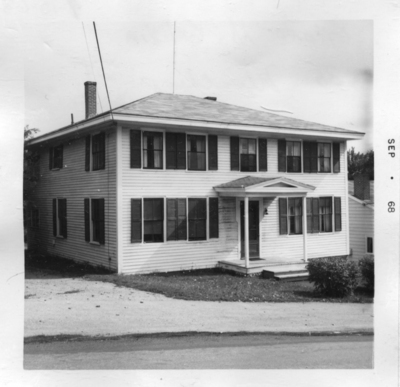
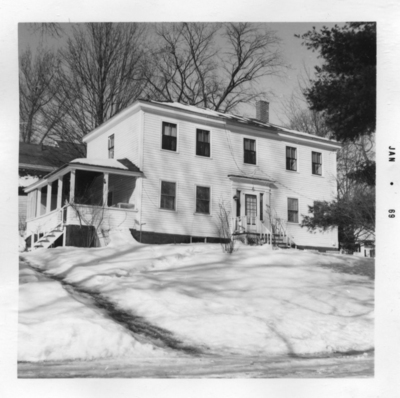
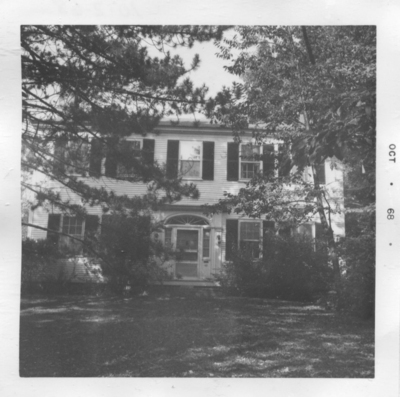
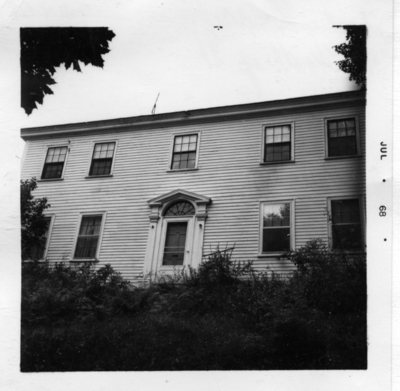
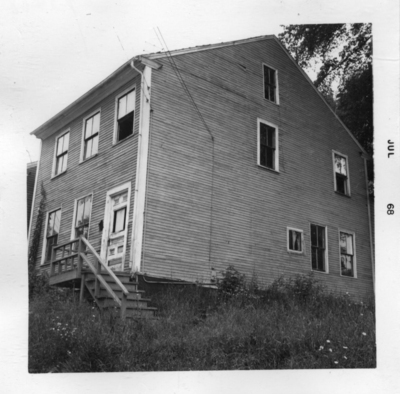
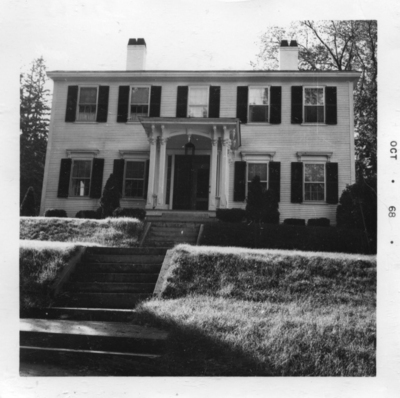
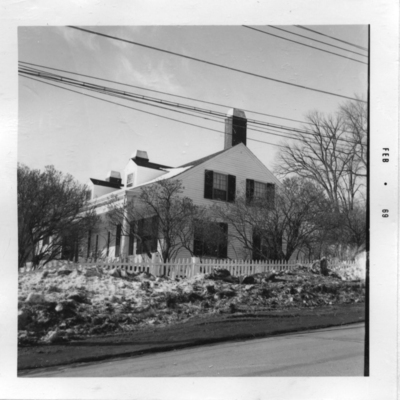
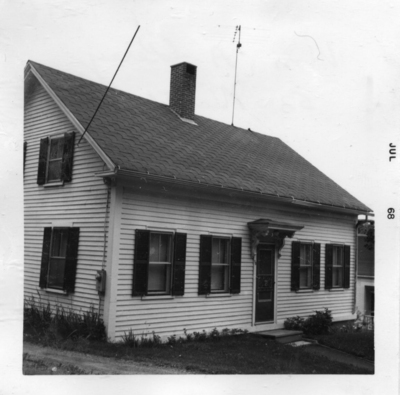
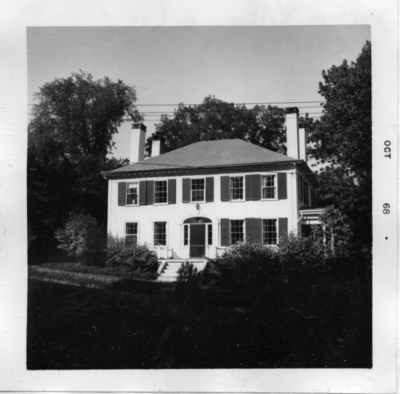
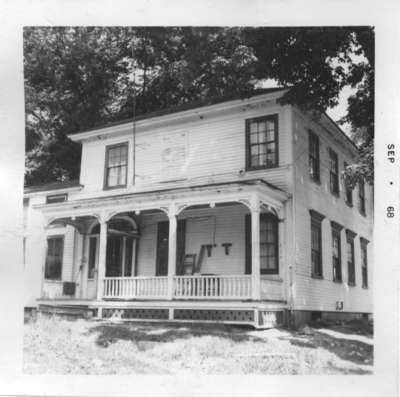
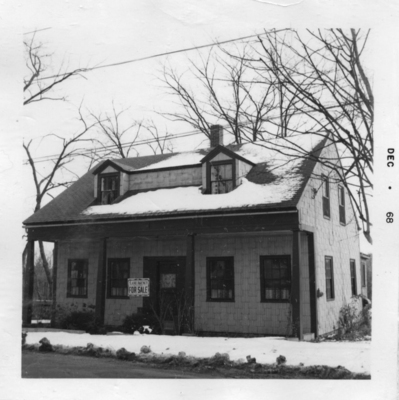
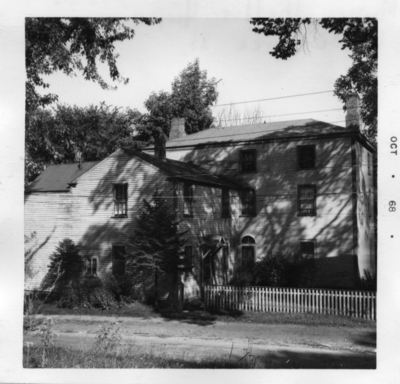
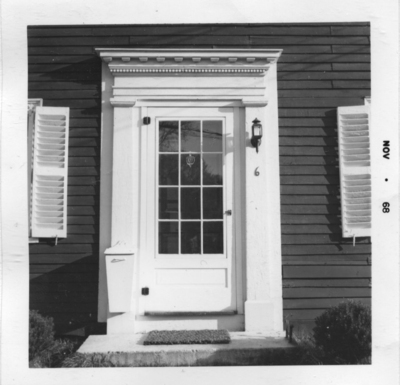
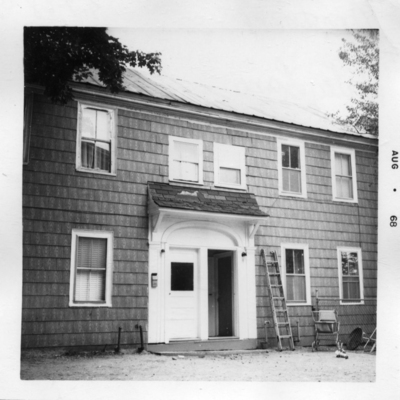
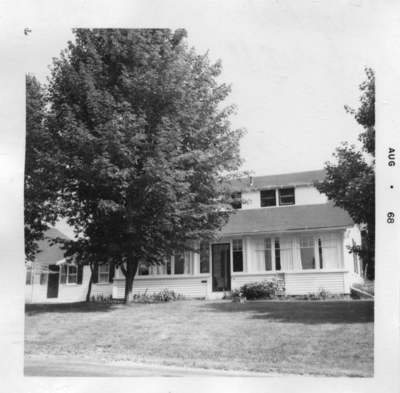
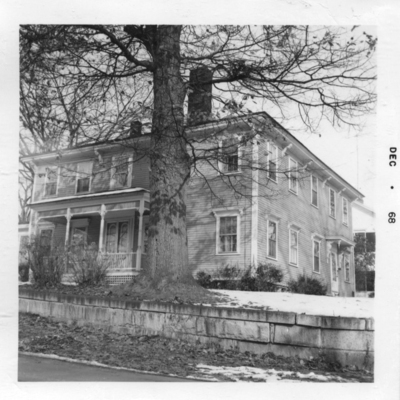
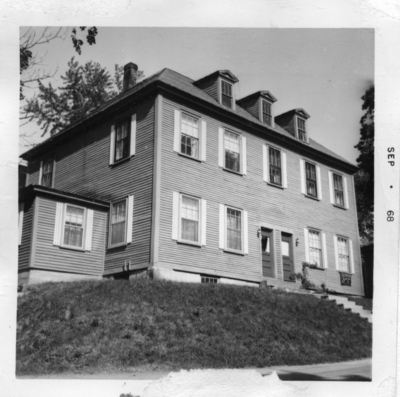
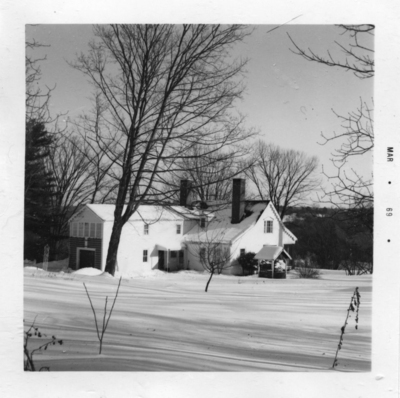
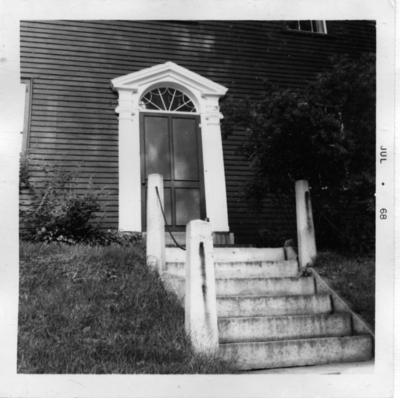
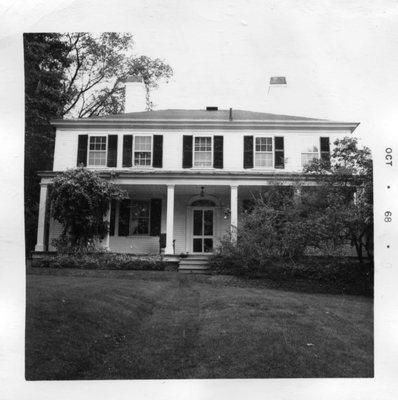
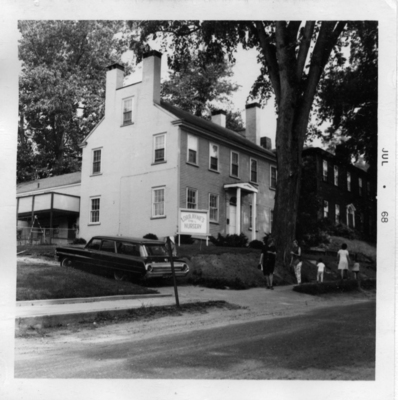
Conducted between April 1968 and May 1969, the survey documented more than 400 buildings throughout the city. Volunteer researchers, many without prior architectural training, undertook extensive study of architectural history and terminology before systematically photographing and recording properties across every street and rural road within Hallowell’s boundaries. The resulting work included photographic documentation, written descriptions, a symbolic architectural map, and thematic studies of local building types. Dating of structures was based largely on exterior appearance and available research at the time, with the understanding that revisions might be made as new information became available.
The original survey was researched and compiled by Linda Bean, Rachael Craig, Muriel Curtis, Mary Davidson, Jane Harvey, Marguerite Bearce, and Rhoda Oakley, with additional assistance from community volunteers including Janis Cross, Linda Gilson, Joan Hague, Lyn Gray, Judy Littlefield, Cindy Mervis, and Sam Webber. Linda Bean photographed the buildings and typed the original report. The project benefited from the cooperation of many residents who shared access to their homes, photographs, and historical knowledge.
By 2006, the original album containing the survey materials had deteriorated significantly. The Friends of the Library undertook a preservation project to stabilize and reformat the collection, guided by recommendations from Earle G. Shettleworth, Jr., Director of the Maine State Historic Preservation Commission. The materials were reorganized so that photographs and descriptions appear together, and the collection was rehoused using archival-quality albums, paper, and slipcases. Digital copies were also created for long-term access and preservation.
The reformatted survey, completed in 2008, preserves the original documentation while improving accessibility through organized indexing by street and property owner. Together, the original survey and its later preservation represent a significant community effort to record and protect Hallowell’s architectural heritage.
Additional historical background and full credits for the original survey may be found in the 1968 Survey Introduction. Documentation describing the preservation and reformatting process is available in the 2008 Preservation Project Notes.